
Posted by MoorePet Supplies on Aug 19th 2021
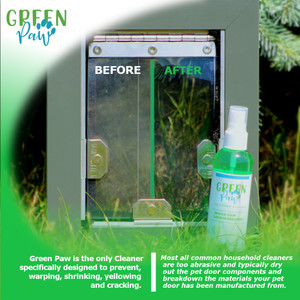
Green Paw All Natural Cleaner
Green Paw All Natural CleanerGreen Paw is the best pet door cleaner on the market. Green Paw is 100% organic cruelty free and non-toxic clean, made with all natural ingredients. This product is proven to:Break down dirt and grime from your pet doorRehydrate and rejuvenate your vinyl flapsRepel ticks, fleas, and mosquitosAnd leave your doo…
read more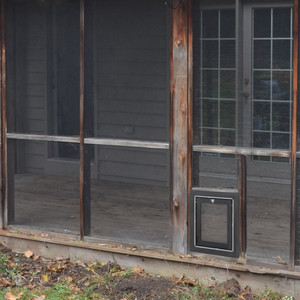
Posted by moorepet.com team on Jun 30th 2021
Custom Dog Doors
When my nephew bought his new home, there was a hole that used to contain a dog door in his screened in porch. The hole allowed all sorts of critters to visit in the night which did not please his wife very much at all. When I told them about the high quality custom dog doors made right here in the USA by Security Boss Manufacturing,…
read more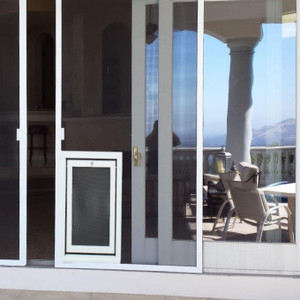
Posted by moorepet.com team on Jun 24th 2021
Screen Dog Doors for Large Dogs
Screen Dog Doors for Large Dogs Summer is here and we all love to enjoy more of the great outdoors. To many, that means throwing open the windows or patio slider to enjoy a cross breeze in your home. For your dog, it means smelling those great smells and trying to get out there and smell some more! Maybe you are tired of playing…
read more
Posted by moorepet.com team on Jun 23rd 2021
Extra Large Dog Doors for Big Dogs
Extra Large Dog Doors for Big Dogs I have four dogs. What can I say, to me, dogs are like potato chips, you can’t have just one! I tell people I have three big dogs and then my little dog who is a 90 pound German Shepherd dog. Well, compared to my two Irish Wolfhounds and the Newfoundland who all top out above 150 pounds, 90 p…
read more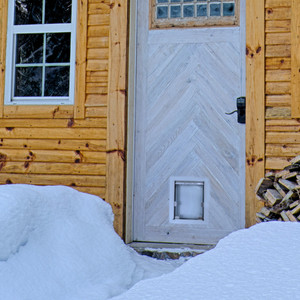
Posted by moorepet.com team on Jun 16th 2021
Insulated Pet Doors
When you are cutting a hole in your wall or door to insert a pet door in your home, insulation is an important factor to consider. I live in Northern Minnesota and the winters get very cold so keeping the cold out in the dead of winter was important to me. Nobody wants to pay to heat and cool the exterior of their house. Choosing…
read more